
About Universal Design for Learning
Universal Design for Learning (UDL) is a framework to improve and optimize teaching and learning for all people based on scientific insights into how humans learn.
UDL at a Glance
Find out how the UDL framework guides the design of instructional goals, assessments, methods, and materials that can be customized and adjusted to meet individual needs.
UDL to Change the World
CAST created the Universal Design for Learning framework, and it remains one of our core levers of change to help make learning inclusive and transformative for everyone.
Universal Design for Learning Guidelines
The UDL Guidelines are a tool used in the implementation of Universal Design for Learning. These guidelines offer a set of concrete suggestions that can be applied to any discipline or domain to ensure that all learners can access and participate in meaningful, challenging learning opportunities.
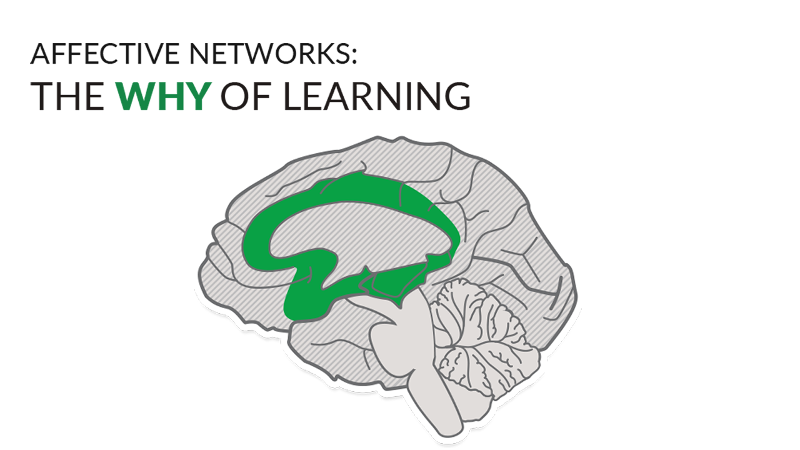
Engagement
For purposeful, motivated learners, stimulate interest and motivation for learning.
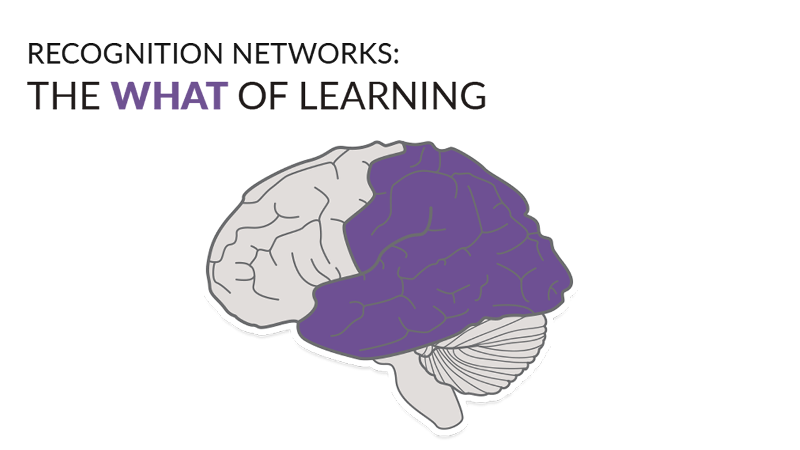
Representation
For resourceful, knowledgeable learners, present information and content in different ways.
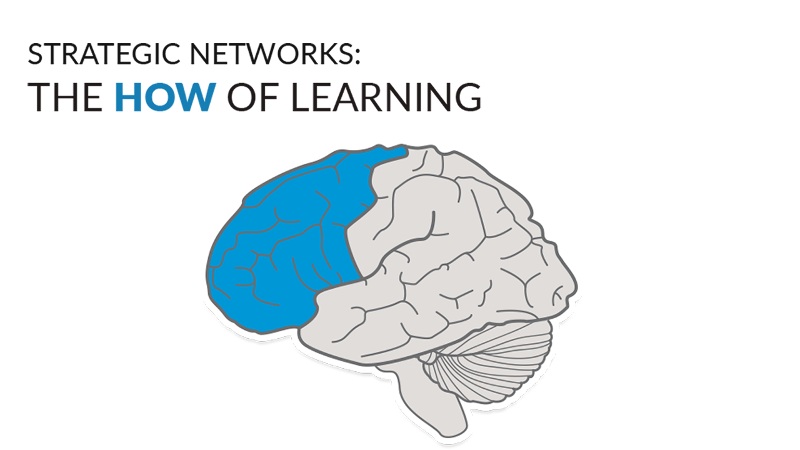
Action & Expression
For strategic, goal-directed learners, differentiate the ways that students can express what they know.